

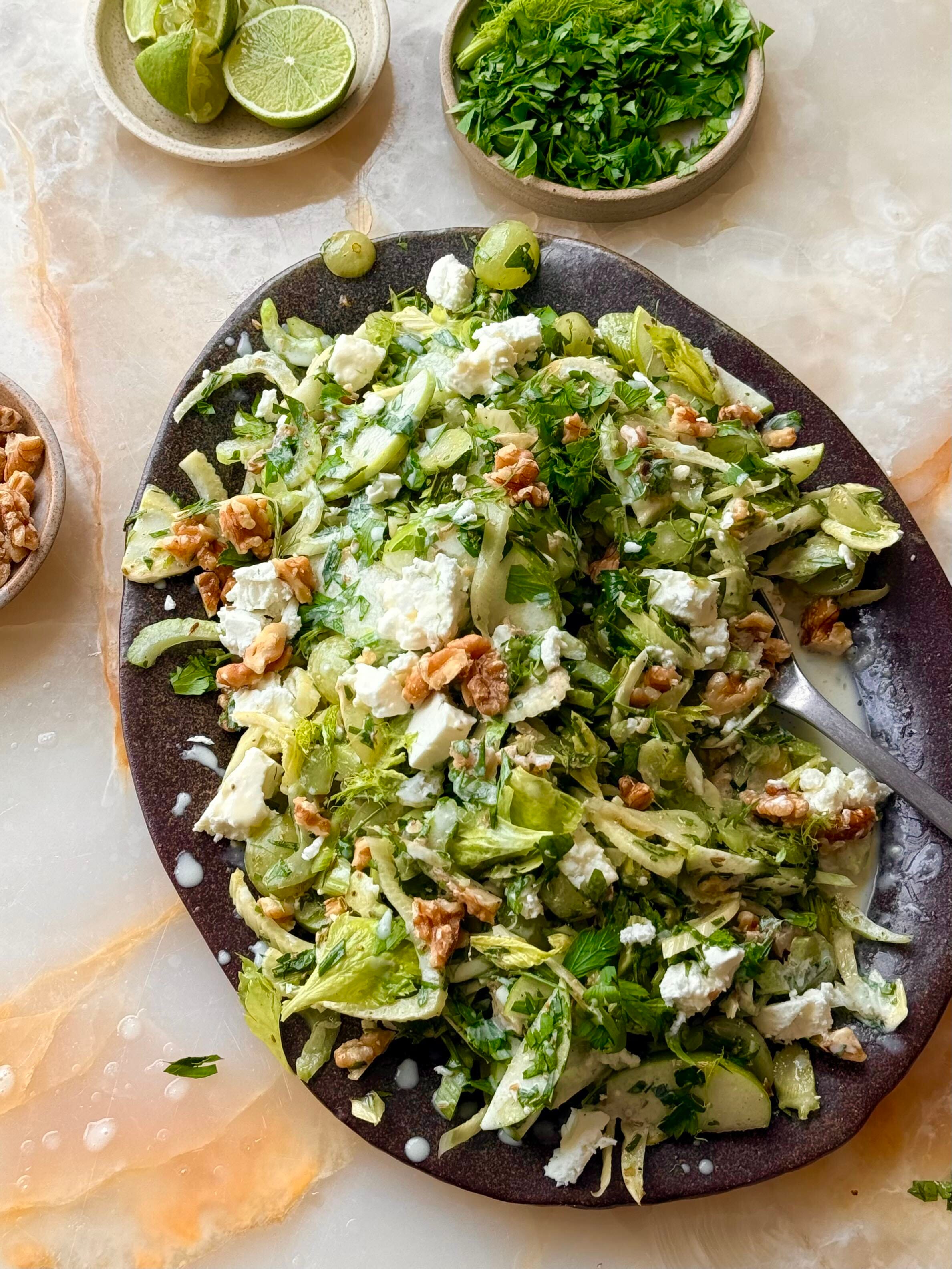
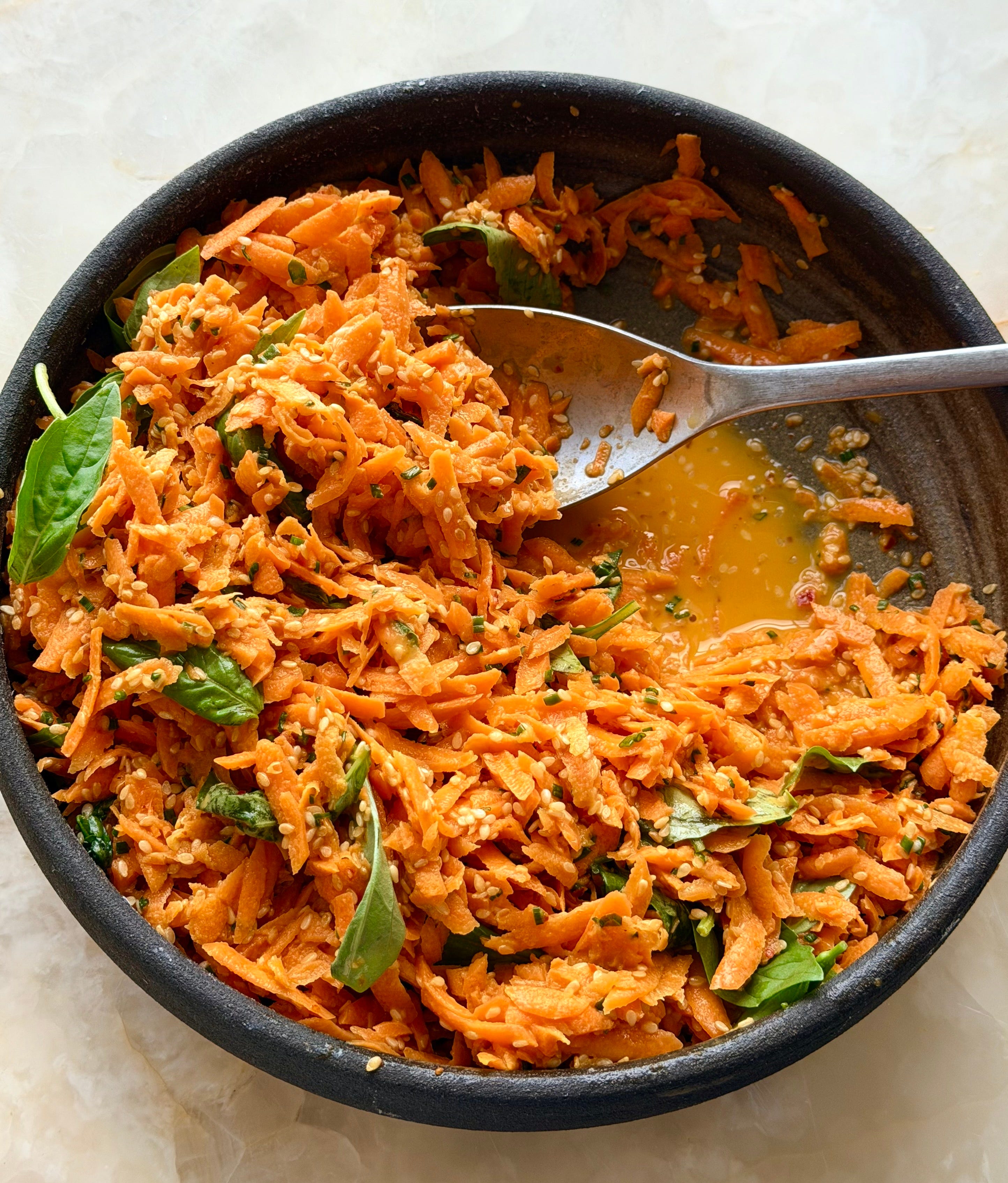
I went to see Christopher Nolan’s Odyssey last week, shot on IMAX film stock that required half of Malta and a huge fortune. Matt Damon rowing away from whirlpools and siren calls and witches. Loud in so many ways - I thought it was only in my local Camden theatre that someone decided to push up the decibel level to match the local concert venues but apparently, it’s the same everywhere.
And it does the job: overwhelms, pulls you in and then captures you, like Odysseus and his hapless crew.
But walking out, blinking into the daylight and getting my breath back, I was wondering: will this be a classic? Will people still be watching it in fifty years, the way we watch The Godfather, or Casablanca? Nobody watching Jaws in 1975 knew they were watching a classic; nor that they would be singing the theme tune every time they got in the sea.
Homer’s Odyssey is an undisputable classic (not yet Nolan’s). A foundational piece of Western literature...recited from memory, night after night - around campfires, I’d imagine - by bards who almost certainly changed a line here, dropped a monster there, depending on the room, or the fire, or the audience. Was “Homer” even a single person? Did he/she write a word of it themselves?
And then comes Nolan and has a go, dropping the gods as active characters, presenting Odysseus as ridden with a modern guilt for his horse manoeuvre.


I am quite happy to - humbly! - take this idea and apply it to my world. It is okay, even natural, to have a play and add to food classics. (Odyssey star Tom Holland adds pineapple to his pizza, while Damon has his gluten-free, so I am in good company).
Salads are, obviously, not foundational epics of our culture, but they certainly can be ‘classics’. You have Caesar, Greek, Caprese, potato: tidy and reassuring, the kind of thing you can order in most restaurants and picture exactly what you’ll get (though Caesar salad is barely a hundred years old, dreamt up in a Tijuana kitchen by an Italian-American restaurateur).
I wrote a whole series on my Substack last year about how I think about salads. The quick version: choose a hero ingredient and let everything else play a supporting role. Build in contrast and layers - sweet against salty, soft against crunchy, warm against cool. And make it look beautiful: a good platter, our splatter-spoon technique, wells in the base dip for the oil to pool in.
So this week, in the spirit of all those anonymous bards changing a line here and there, I’ve taken two classic salads - the Waldorf, and a simple carrot râpée - and reworked them a little. In the name of Nolan!
Sesame and Aleppo chilli carrot râpée
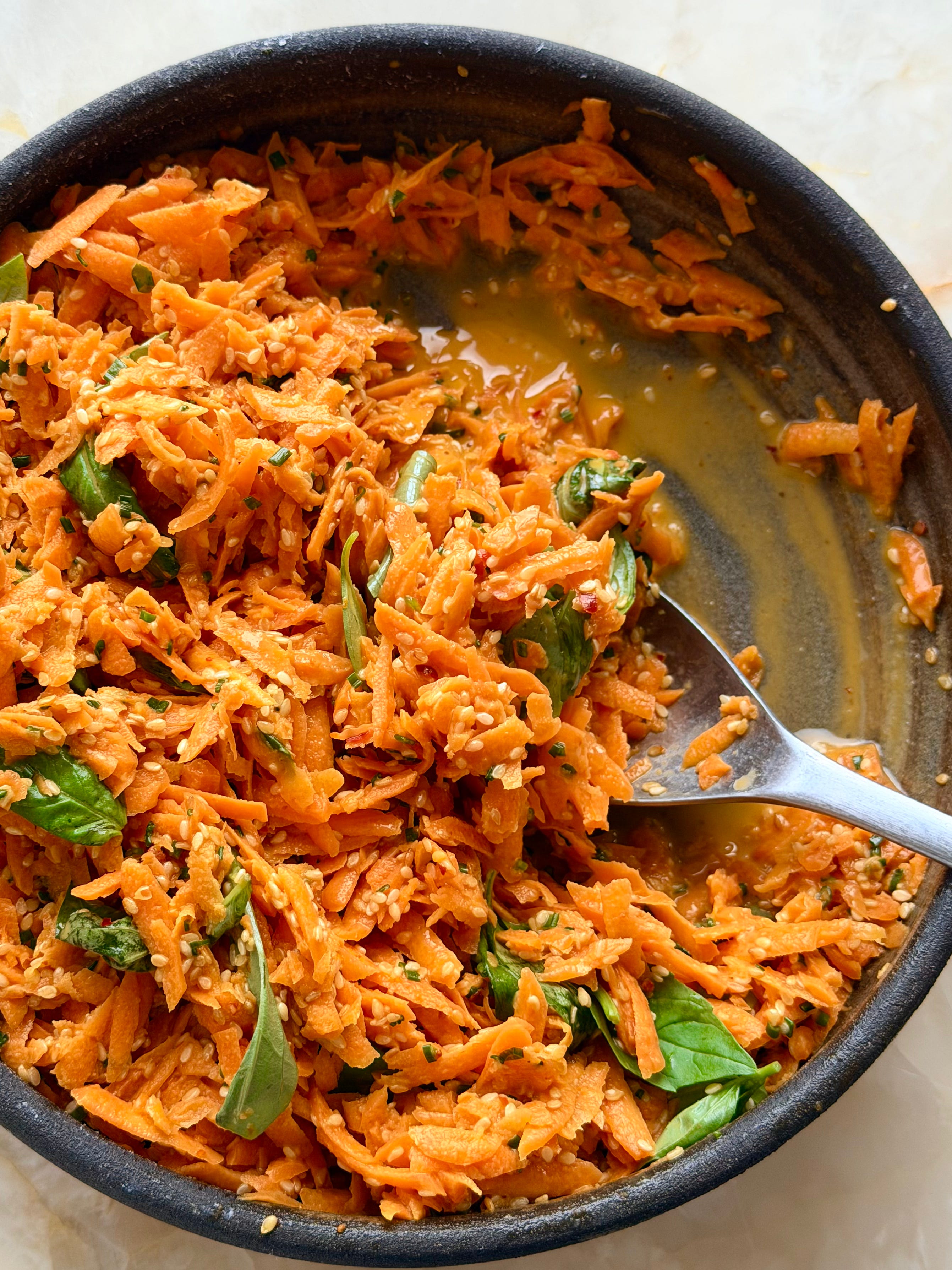
Râpée is a classic French grated carrot salad - the kind you find in every charcuterie and school canteen in France, usually alongside a salade niçoise and a slice of pâté. This version uses three types of sesame (oil, tahini and seeds) to bring a nuttiness to the dressing, and Aleppo for a little heat. Make it ahead if you can; it absorbs the dressing as it sits and gets better for it.
Waldorf slaw with fennel, grapes and walnuts
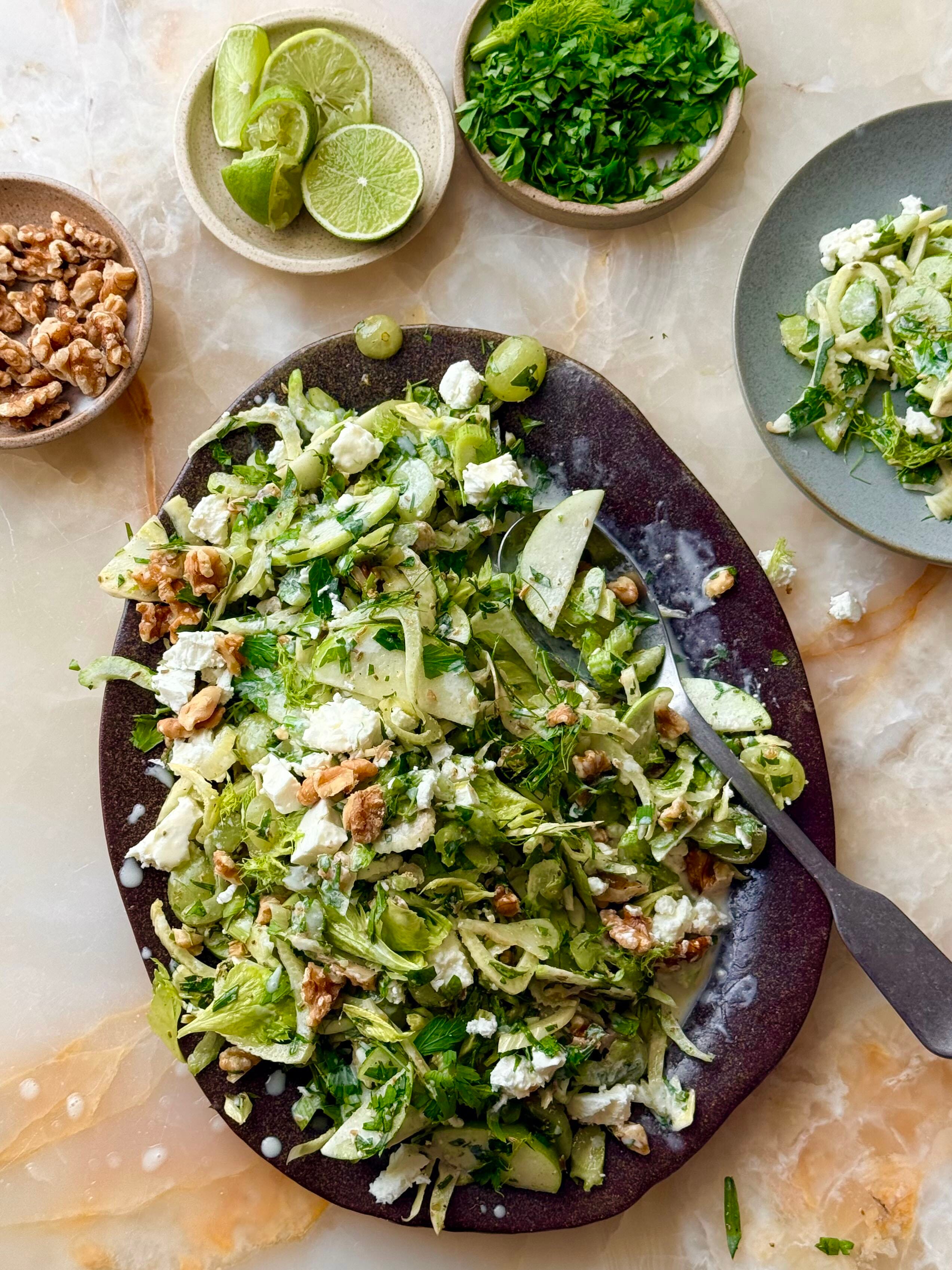
The Waldorf salad was originally just celery and apple in mayonnaise, with walnuts added later. I've always really enjoyed it, yet it’s had a slightly unfair reputation, which this version does something to address. Crème fraîche and feta replace the mayo, fresh fennel and fennel seeds turns up the aniseed, and everything is sliced into a slaw. If your celery still has its pale leafy heart, or your fennel comes with its fronds, add them in. Delicious as a light meal, as part of a spread, and keeps well for two days in the fridge.
