

How we develop recipes
How a cookbook is made, Part 3

I am aware I have the best job in the world.
I spend my days with a bunch of talented people - who always have a good idea for dinner and a strong opinion on where to go eat. We all bounce ideas together, taste things and disagree about them, then taste them again and eventually, mostly, agree.
I’m often asked how I keep coming up with new ideas after more than a decade of cookbooks. The honest answer is: I don’t - not alone, anyway. What I did help build, with a lot of other people, is a space I’m very, very proud of: the test kitchen - one of the most creative rooms I’ve ever stood in.
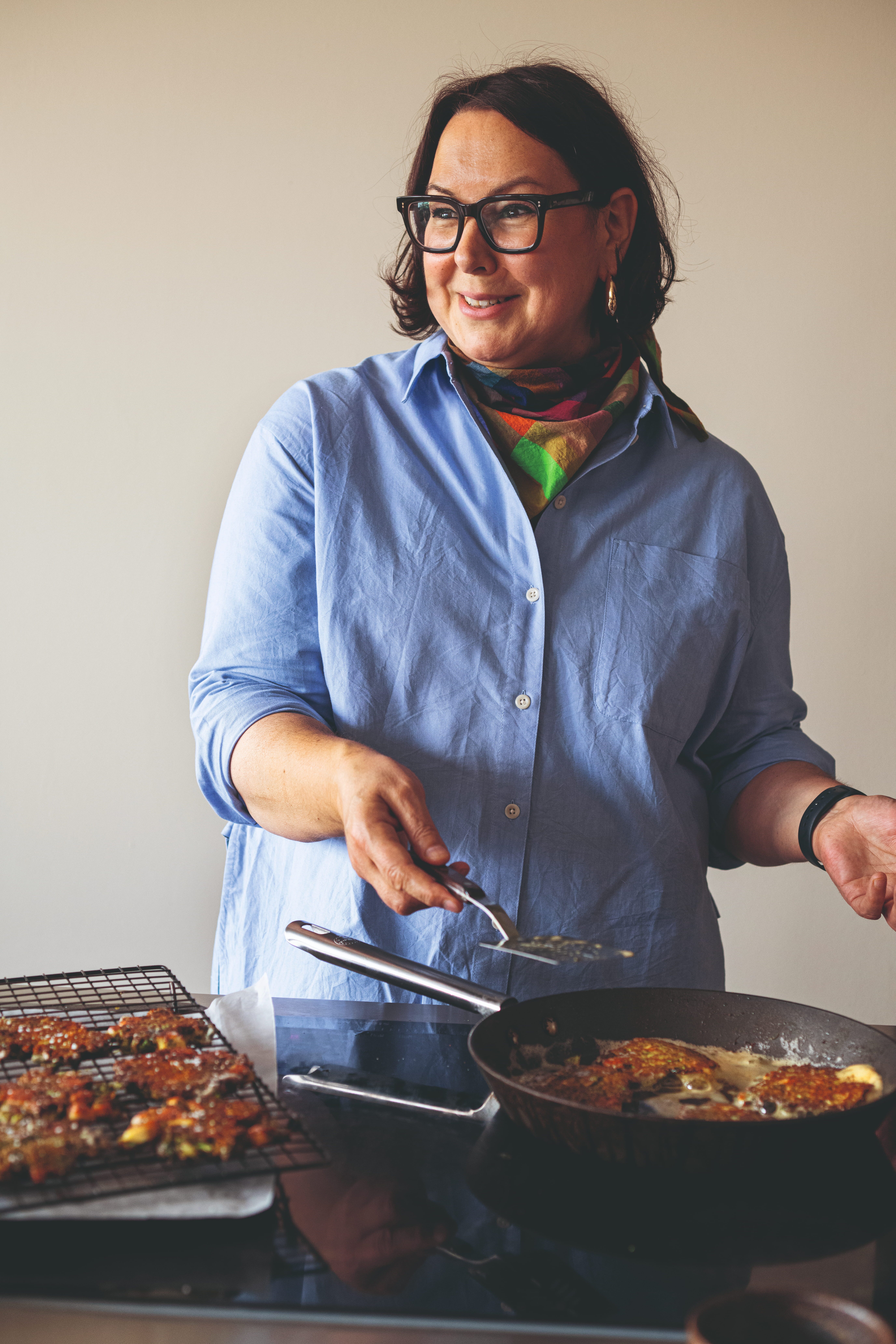
On Simple Too, it was Verena, alongside Milli, who was the life behind so many of the recipes - advocating new combinations, filling in gaps when needed, coming up with clever ways of simplifying things further. Tara was the one tightening our thinking, pulling the strand together. And Claudine, testing every single recipe in a home kitchen, as she’s always done.
I’ve asked them all to share some thoughts of their own, so I can take you through the process properly.
Verena Lochmuller is my co-author on Simple Too - a chef of real precision and one of the most creative perfectionists I know. What she cooks in the test kitchen is often connected to what she’s cooking at home, which is exactly the point. The banana and tahini granola migrated naturally from her own cupboards onto the book.
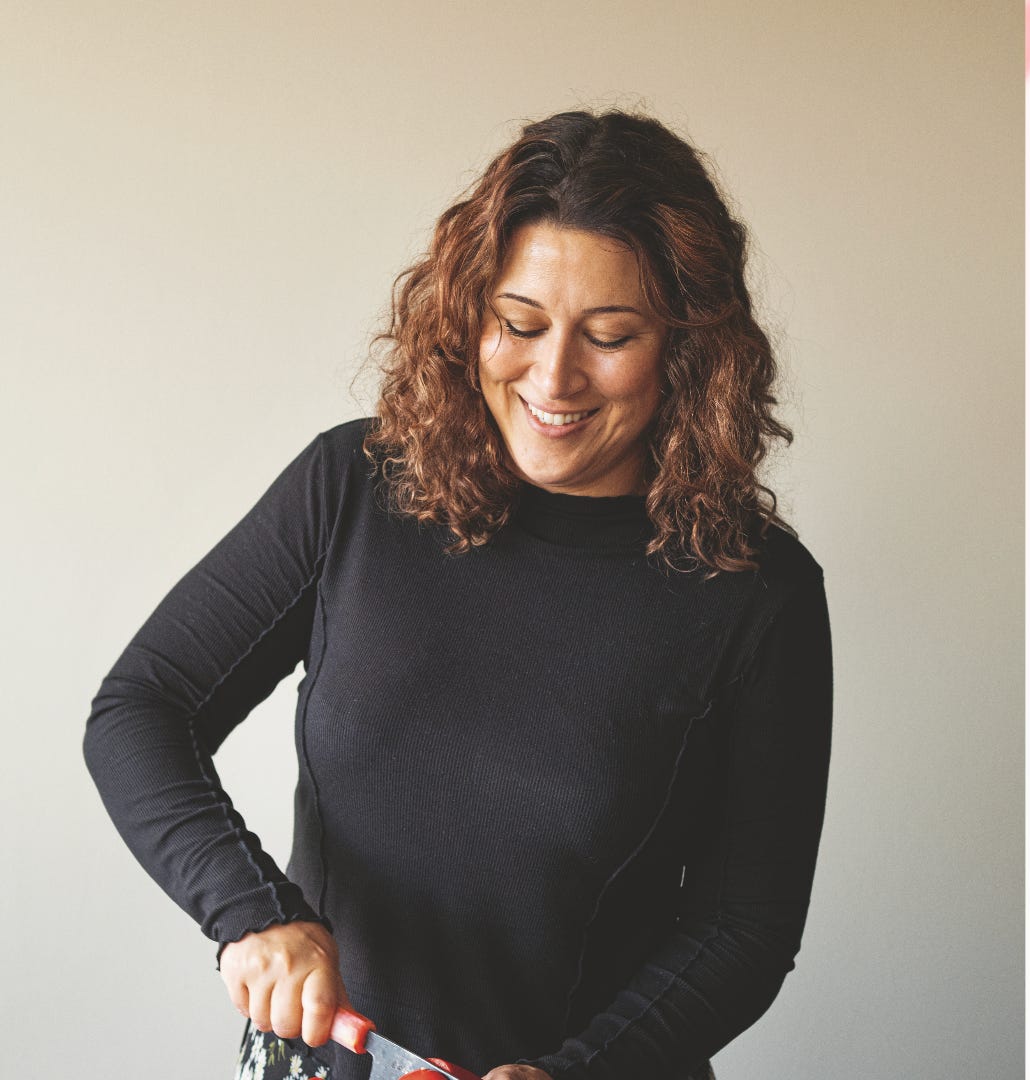
Milli Taylor also developed many recipes to this book; Her benchmark: would my sister make this?
“I have the luxury of cooking for a living, with no dependents, whereas she has a demanding job and teenage kids at home. When she’s finished work, what can I realistically see her cooking for dinner? That became my benchmark for simplicity.”
Milli would often drop Tupperware on Verena’s doorstep - leftovers from something she’d eaten out, or a dish she’d been playing with and wanted another set of taste buds on. When Milli was parboiling the potatoes for the soy tahini wedges, Verena tried steaming them instead. Such a simple change but made it all the more delicious.
“Sometimes something magic happens when the pressure is off,” Milli said. The urfa butter beans, for example, came to be when she was hungover on a weekend and needed something comforting. Half a jar of butter beans, Turkish pepper paste, butter, cream, a pinch of urfa, poured all over toast.
Once a recipe feels ready - or ready enough - it leaves our kitchen and goes to Claudine.
Claudine has been testing our recipes for nearly twenty years, first in London, now from rural Wales. Her household - her kids, her mother-in-law, her neighbours - has become an unofficial tasting panel of people who have absolutely no reason to be polite.
She is so methodical. She reminds us to tell people to peel a vegetable, to explain the things we do on autopilot. She knows exactly what an Ottolenghi recipe should feel like. If something isn’t quite there, she’ll say so.
“When I test a recipe, I’m looking for great ‘wow’ flavour, clear instructions, beautiful results and a method that feels easy. Simple means someone can cook with confidence and get great results with no stress. The hardest part is giving honest feedback when something isn’t quite right, especially knowing how much work has gone into creating the recipe. But everyone shares the same goal: making every recipe the very best it can be.”
Her feedback comes with its own vocabulary. When Claudine says something is nice, it isn’t very good. When she says wow - when she says extraordinary, the best I’ve ever had - you know you’ve got something. We live for the wow.
Then, it’s over to Tara.
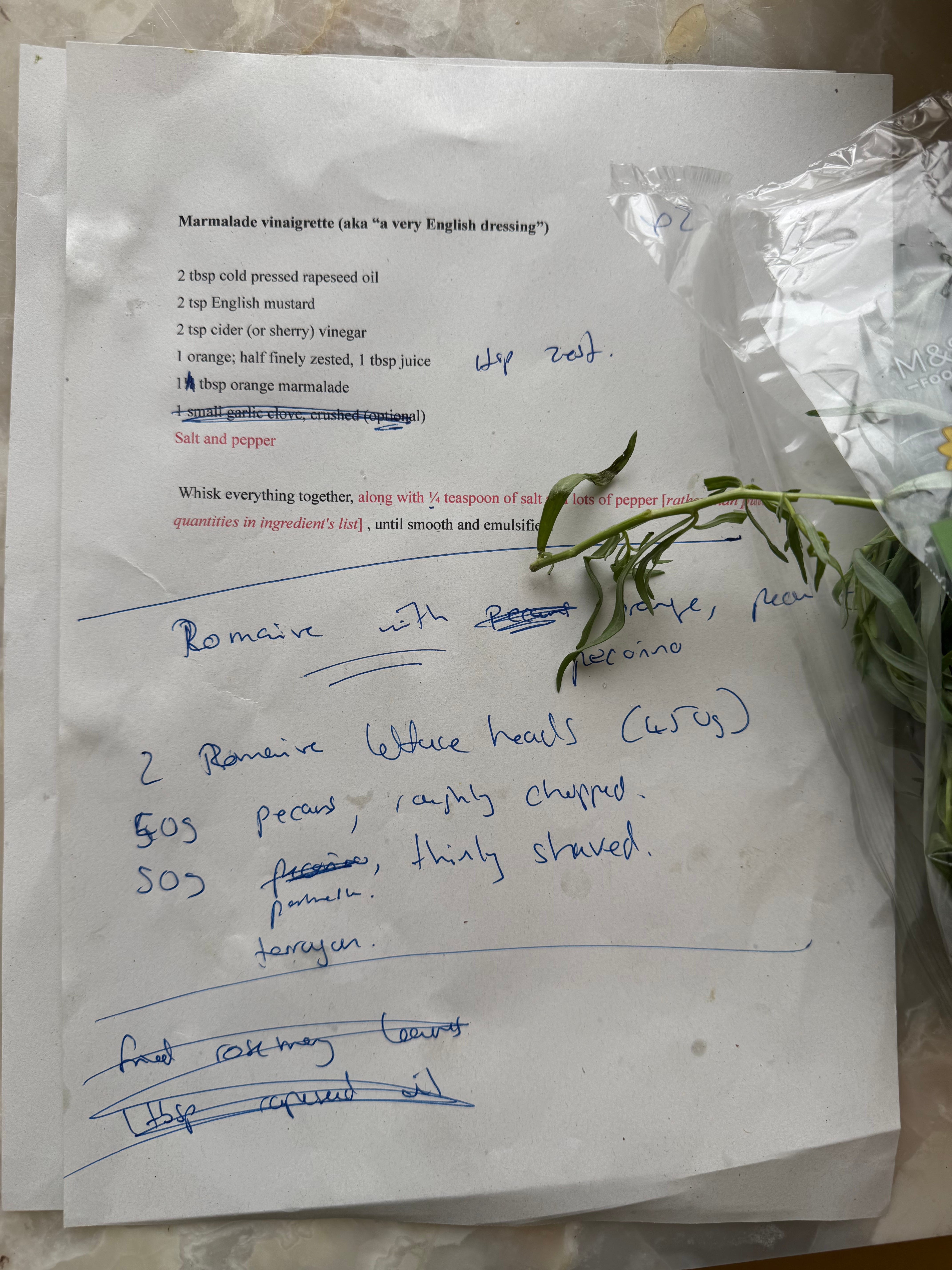
Tara Wigley edits every recipe in the book into something a home cook can easily follow - spotting the things the rest of us can’t, because we’re too close to the cooking. Do we say “roast” or “bake” and stick to one? Do we need to say “black pepper” when there’s no other kind in the recipe? Every word is interrogated and every instruction questioned.
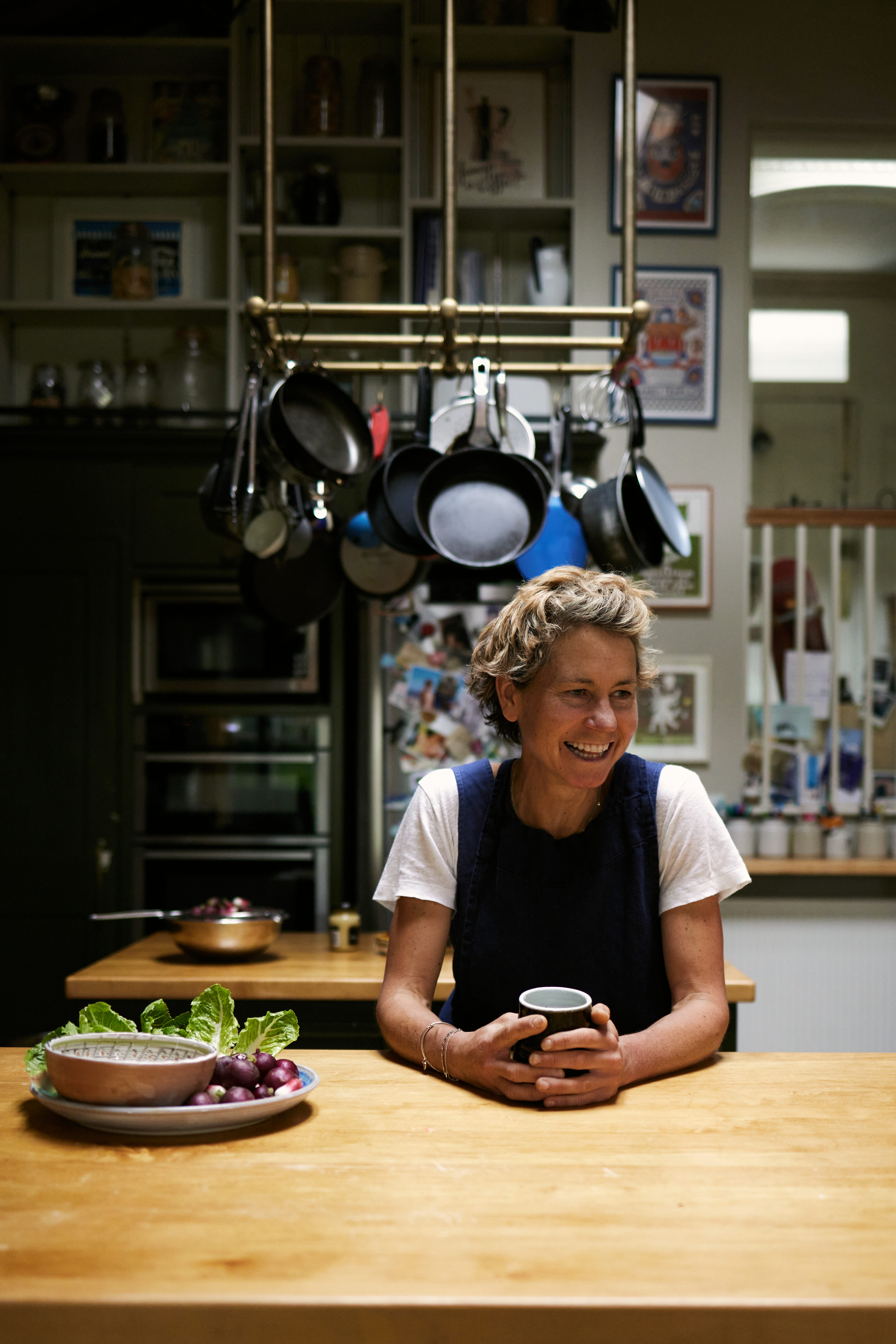
“The shape of a recipe can be determined by all sorts of things: a moment of inspiration; a more prosaic concern with what’s going to work on a Monday night, at home, after a long day at work. It takes a while for the shape - or the story - of a cookbook to emerge. We can start off with a guiding principle - in this case, simple cooking - but what that ends up meaning will change many times over. This ‘not knowing’ is both the great freedom we feel in creating an Ottolenghi cookbook and, at the same time, the thing which keeps us nervous - or hungry - and on our toes.”
A recipe can go through two rounds of testing or five or ten. Some get cut entirely - too similar to something else or not quite landing the way it should. The question we keep coming back to is always the same: would we cook it at home, for ourselves, for our friends?
If the answer is yes, it stays. If not, it goes.
So many hands and opinions and versions of the same dish. And it’s all part of the delicious chaos.
To show you what I mean - our Butternut “parmigiana”. It started life with a vegan nduja called ve-du-ja, a recent discovery of Verena’s that was meaty and deeply flavoured and wonderful. That eventually gave way, as ingredients sometimes do, to something more universally accessible: tomato paste, a touch of sugar, and quite a different recipe.
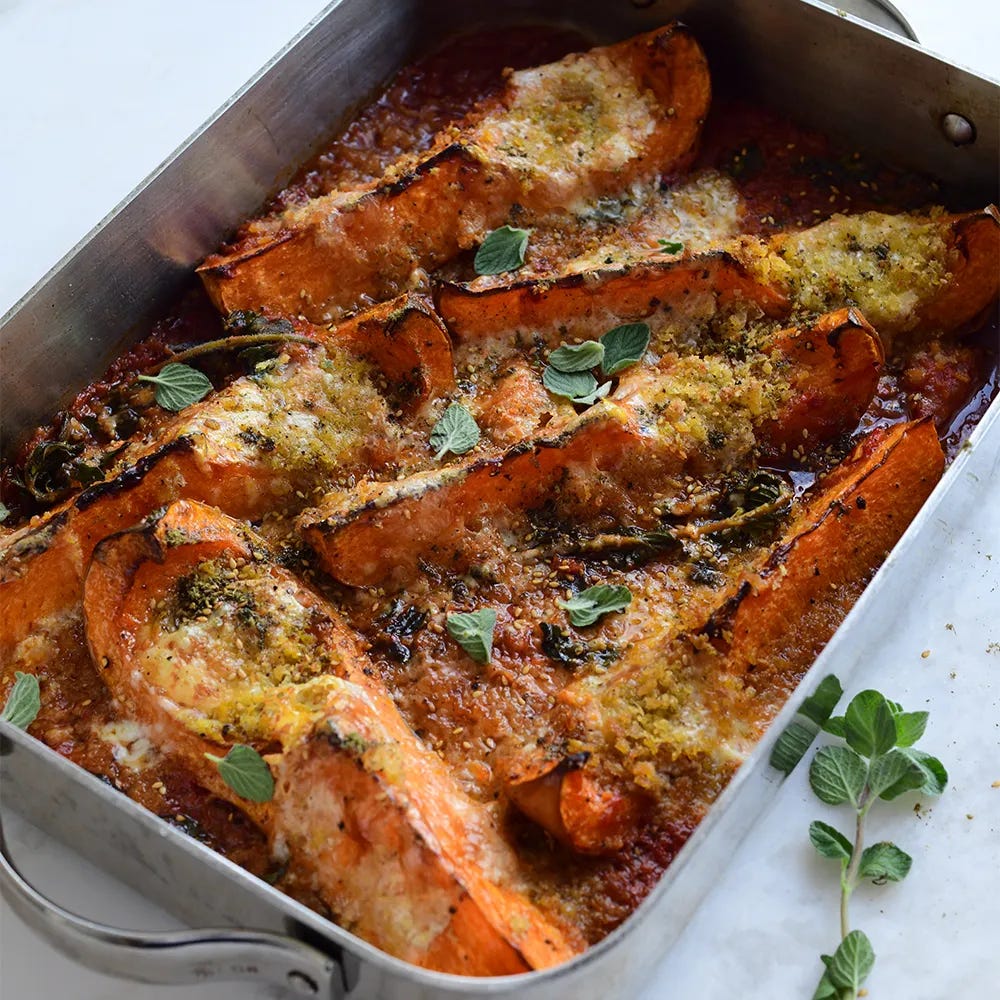
I couldn’t tell you exactly whose idea that was, but it was a good one. The best job in the world, as I said. Just not one I could ever do alone.
You definitely need a recipe tester outside the UK! Some ingredients are rather hard to find elsewhere (although easier than 10 years ago 😅) or are just different from how they are in the UK - cream for example: where you use heavy or double cream, we have whipping cream with 30-32 % of fat, which means that some recipes just don't work as they are supposed to (or that you have to improvise and mix whipping cream with mascarpone). And yes, I'm volunteering 😁😁😁
I made your tomato’s with white miso again this weekend . Every bite stunning but I was so curious as to how you would put everything together : mango , tomato’s , miso , toasted (very) almonds . What a combination