


Life is full of contradictions, and I don’t mind contradicting myself here and there, for the right cause.
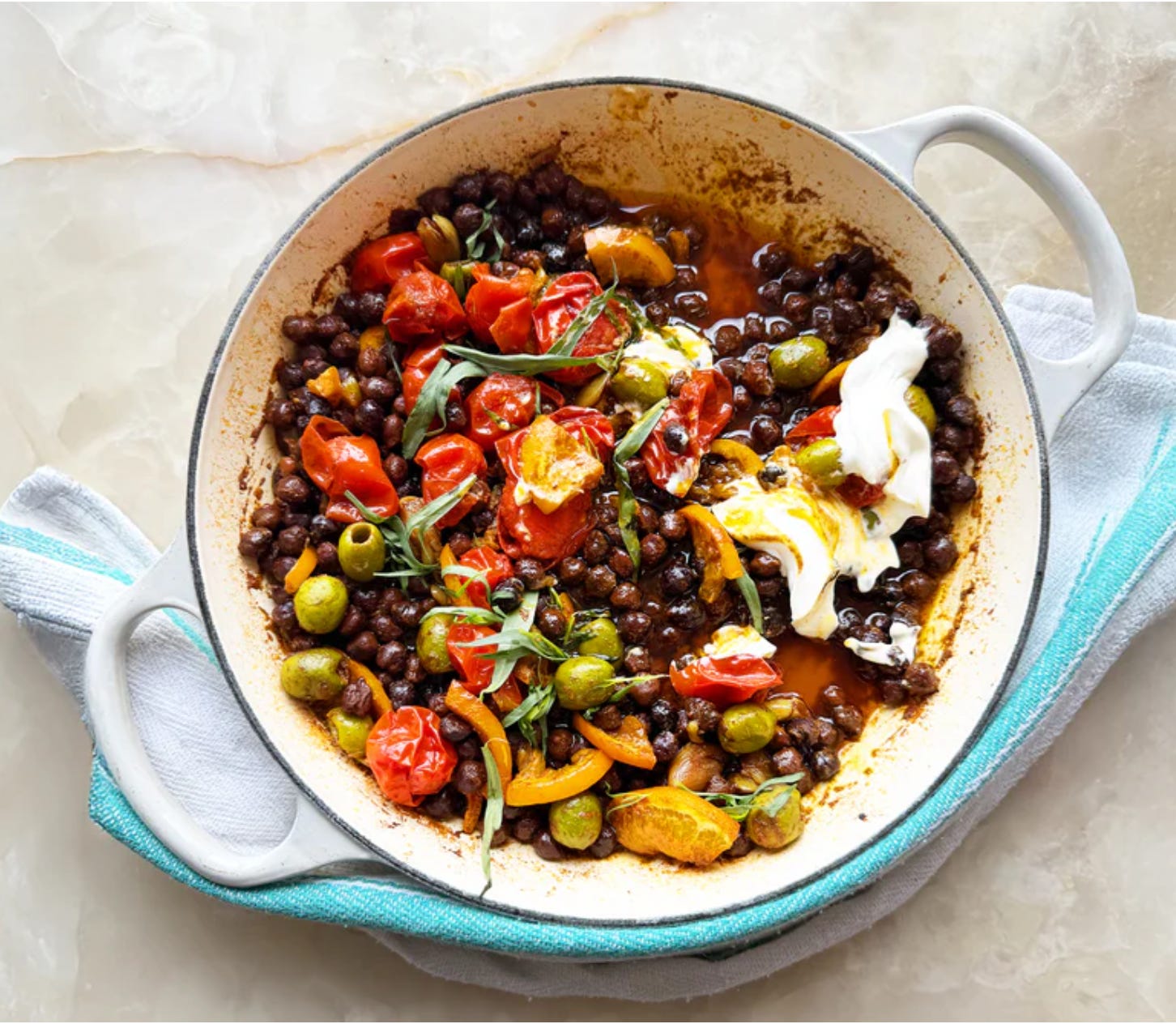
In recent years I’ve been embracing pre-cooked pulses - tinned, or preferably the premium jarred ones that have sprung up and flourished. So much so, that I have claimed that, for a whole load of recipes, even hummus (sacrilegious!), they are pretty much interchangeable with the beans that you soak overnight and cook yourself. Like the confit black chickpeas with orange and baharat. Or, when you want to empty every last jar in the cupboard for a full-of-beans chilli.
Well, you know what, I was lying through my teeth… there are a very few things that make me as happy - smug, even - as a big bowl of beans soaking on the counter overnight, ready to turn into a pot that’ll feed me all week.
Soaking the beans and cooking them the next day, with the generosity of time, attention and intention, is the kind of cooking I wish all of us were in the right mindset to exercise all the time (sadly, in my hectic reality, it’s still pre-cooked on most nights).
When cooking your own beans, you really get to know them up close, understanding them and adjusting the cooking to your needs. You smell the steam coming out of the pot as a kind of promise for meals to come.
It also presents you with a bean bonanza (you’d never cook a handful after all the effort), which means you’re forced to be creative with them, cooking different things throughout your week, getting to utilise the cooking liquid as well.
So, it’s cooking beans from scratch this week - by far the superior option, at least today.
Cooking beans from scratch
Cooking beans is actually really simple. There’s just one temptation to resist, and that’s using the beans that have been sitting aesthetically on a shelf in your kitchen for years. Old beans may never soften, so just leave them on the shelf and get yourself a new bag.
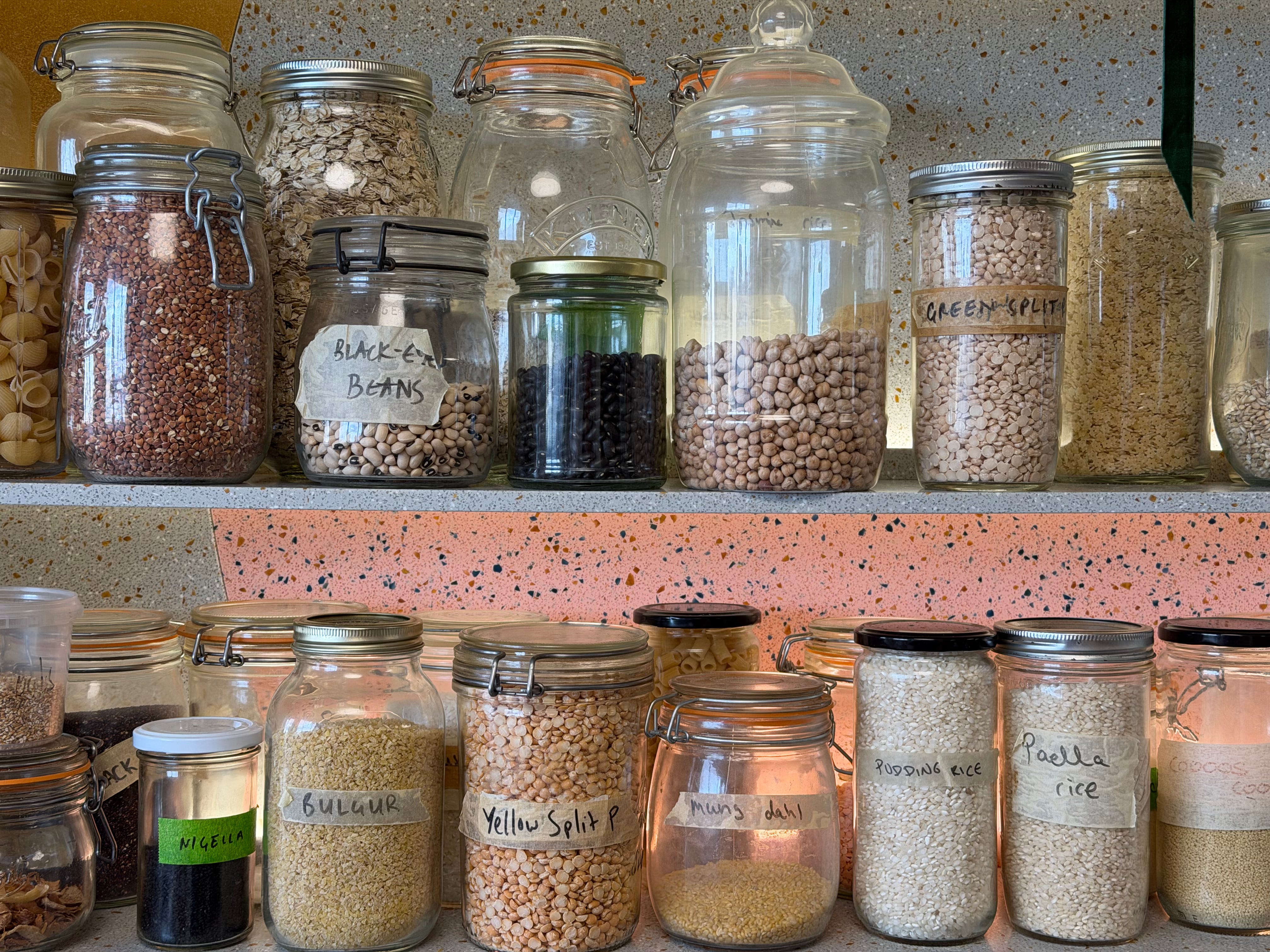
Different beans cook at different rates, but the same method (the one below) works for any dried bean, and many dried peas too. If you plan ahead and soak overnight, you can swap the cannellini for haricot, kidney or butter beans, or even dried chickpeas, carlin peas or any whole dried pea. If you’d rather skip the soak entirely, your only option is a smaller bean, like black-eyed beans or split green or yellow peas.
Beans also go by different names depending on where you shop. Brindisa, one of my favourite bean brands, labels its dried white beans as ‘alubia beans’. Alubia is Spanish for beans, so they’re effectively selling beans beans! At the Turkish supermarket across from the test kitchen, we buy dermason fasulye, which most Brits would categorise as cannellini, the Italian term for a white kidney bean.
All this to say: sometimes it’s important not to get too hung up on the product. It’s been commented, more than once or twice, that cooking from an Ottolenghi recipe can mean visiting ten supermarkets in search of one exact ingredient. In this case, use whichever bean you manage to get your hands on.
And embrace the different outcomes each bean brings to your pot! They absorb liquid at different rates, so your water levels and cooking times will change. You might find the beans are tender before the liquid has gone, leaving you with a looser, soupier finish: simply pour off the excess until you have the amount you like, then season what’s left. Other times, the liquid will be gone while the beans still have a bite. When that happens, add another cup (or three) of water and keep simmering.
Watch the pot, feel the texture change, taste as you go.
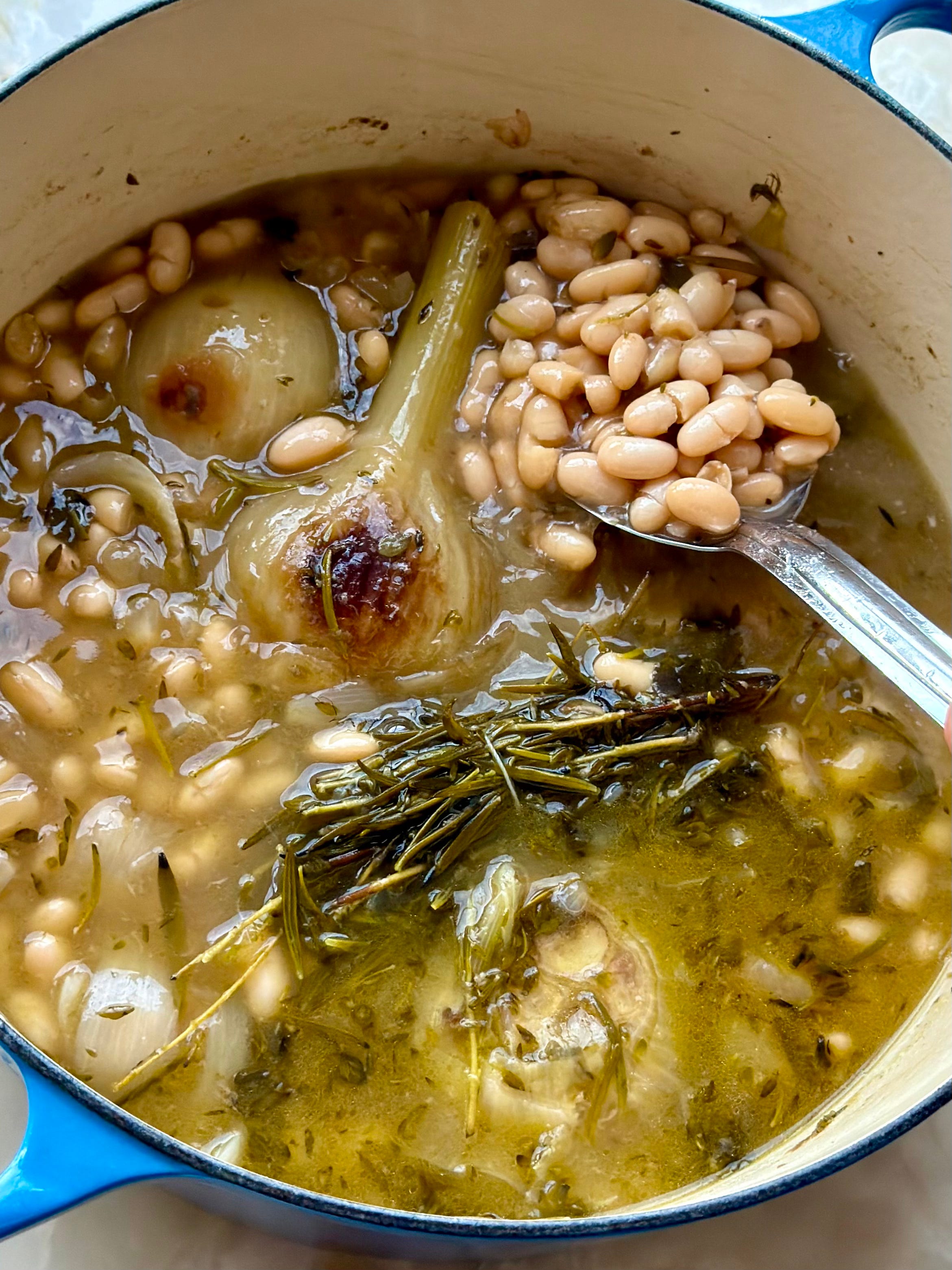
Big pot of beans with onion, fennel and garlic
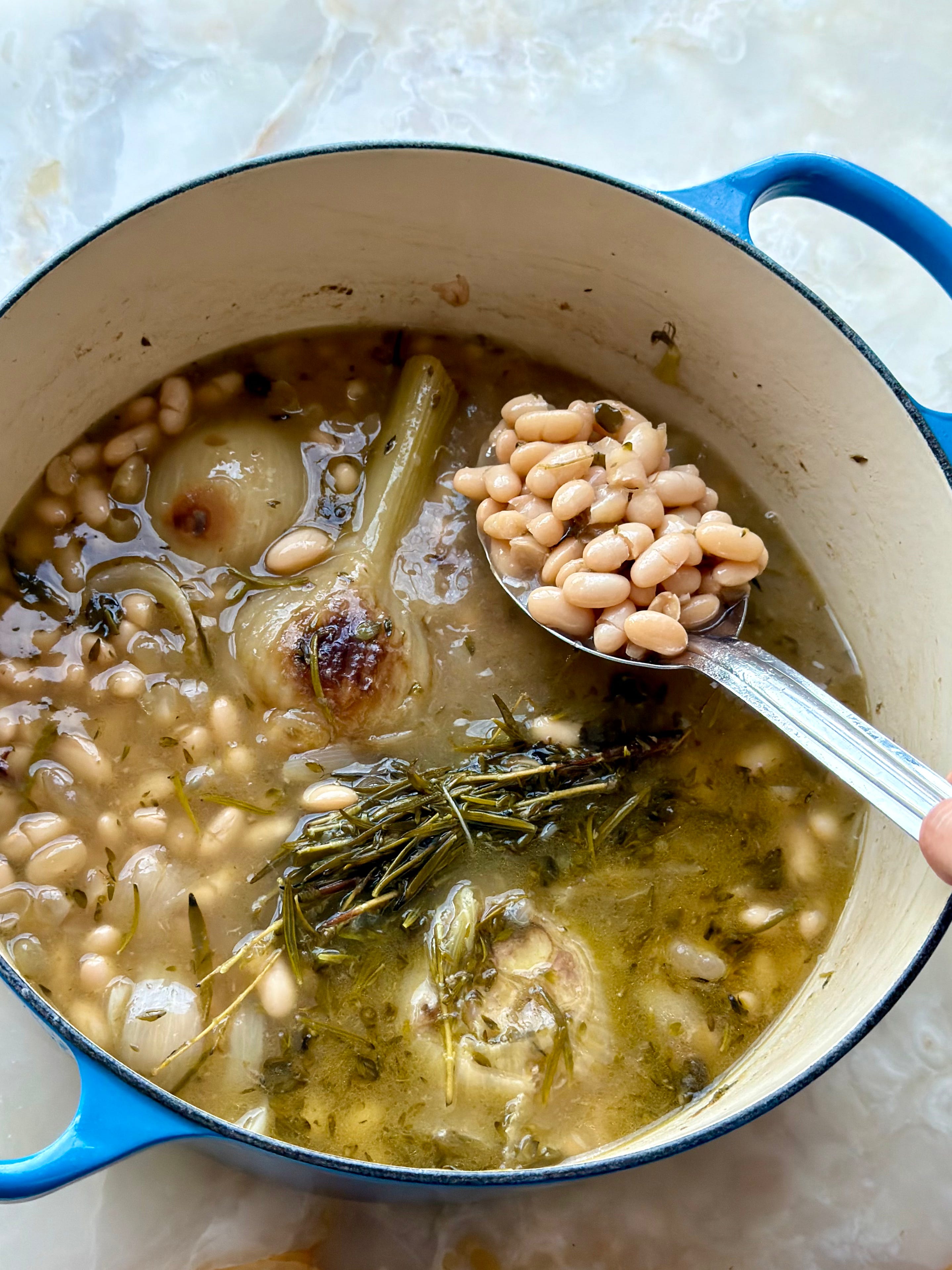
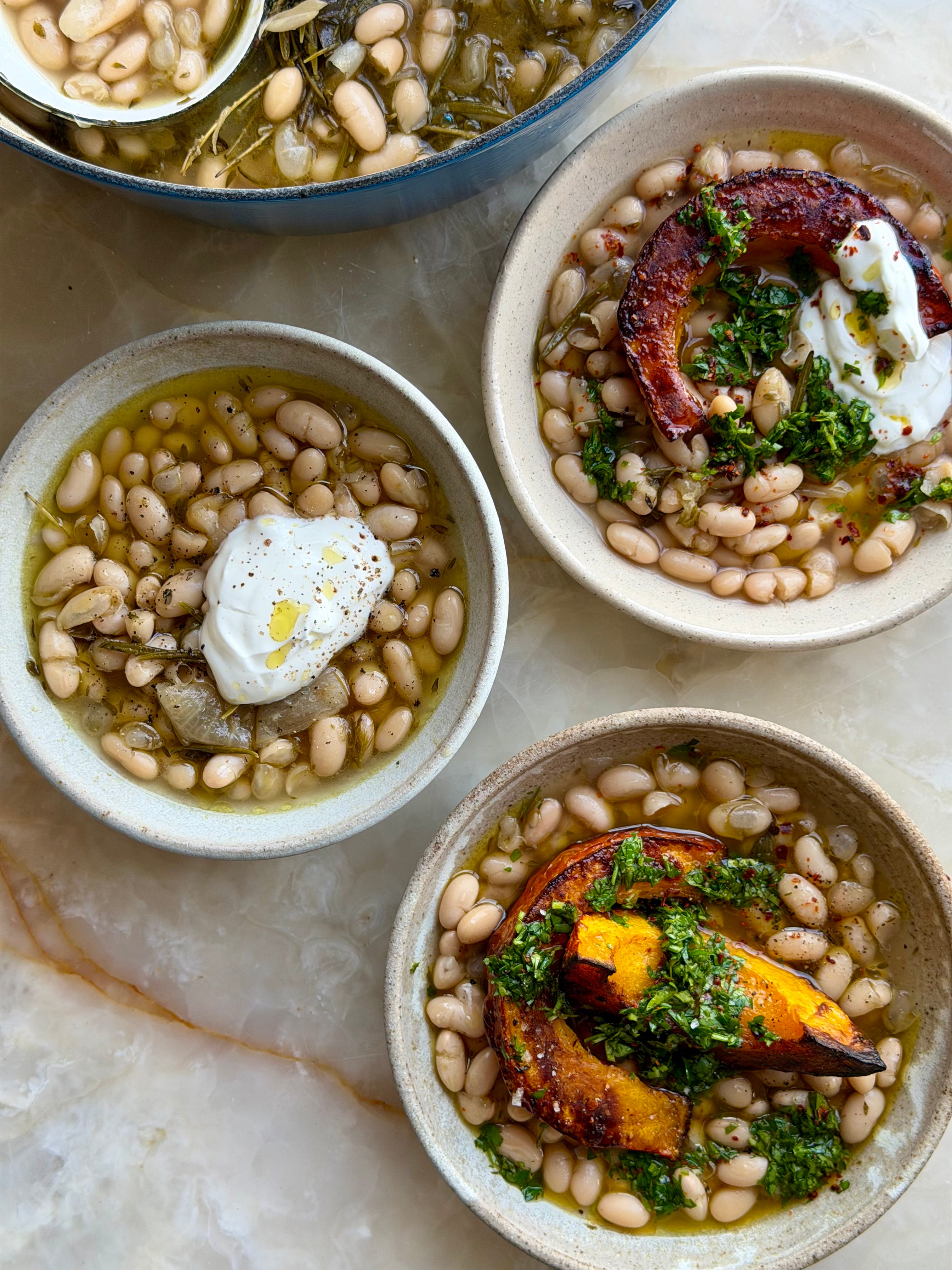
A big pot of beans, cooked slowly with onion, fennel and garlic, is a head start on meals all week. Soak them the night before, then eat them as they are, with plenty of olive oil and the soft garlic squeezed on top, or use them as a base for something else (like some roasted pumpkin, as in the pictures, or a bean puree, for which you’d want to drain your beans). Any leftovers freeze well in their liquid.
If you don’t want to make any from scratch…
As I said, cooking beans from scratch isn’t always possible, so I usually turn to tinned and jarred.
I use tinned for stews, soups and pasta sauces, where the beans bulk things out and soften further in a bubbling sauce. They’re already a bit seasoned, so taste before you add salt. I use jarred for when the beans are the star of the meal: in salads, or just warmed through with olive oil and garlic. Bold Bean Co jar theirs in the cooking liquid, so they’re firmer and creamier than most tins.
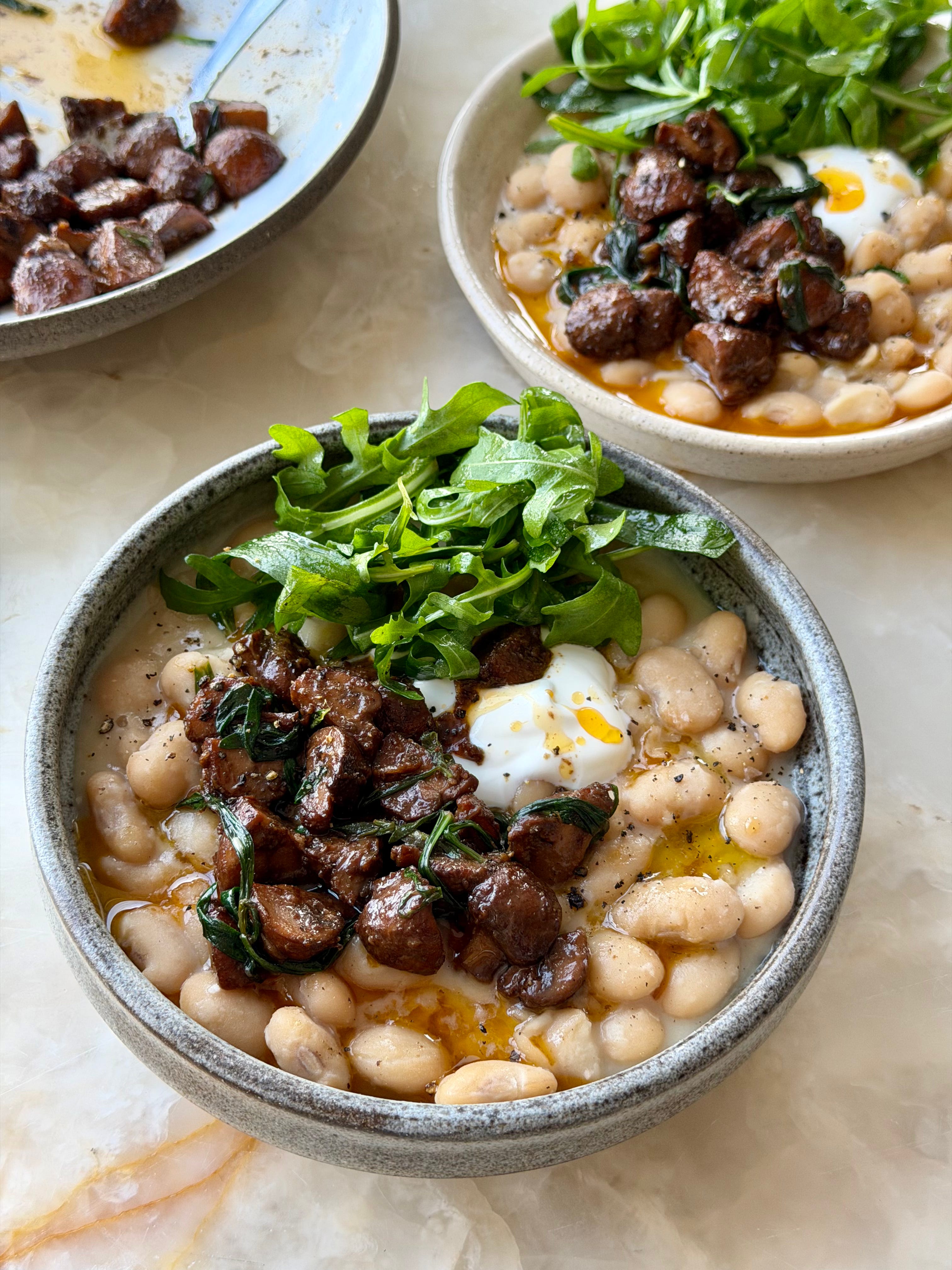
The recipe below starts from pre-cooked beans. Like the big pot, I’ve made a simple bean base you can use lots of ways, plus a topping. This week: garlicky baharat butter mushrooms and a tarragon and rocket salad. Feel free to swap the mushrooms for roasted butternut squash or broccolini or even a piece of white fish.
Base: Simple creamy butter beans (using tinned beans)
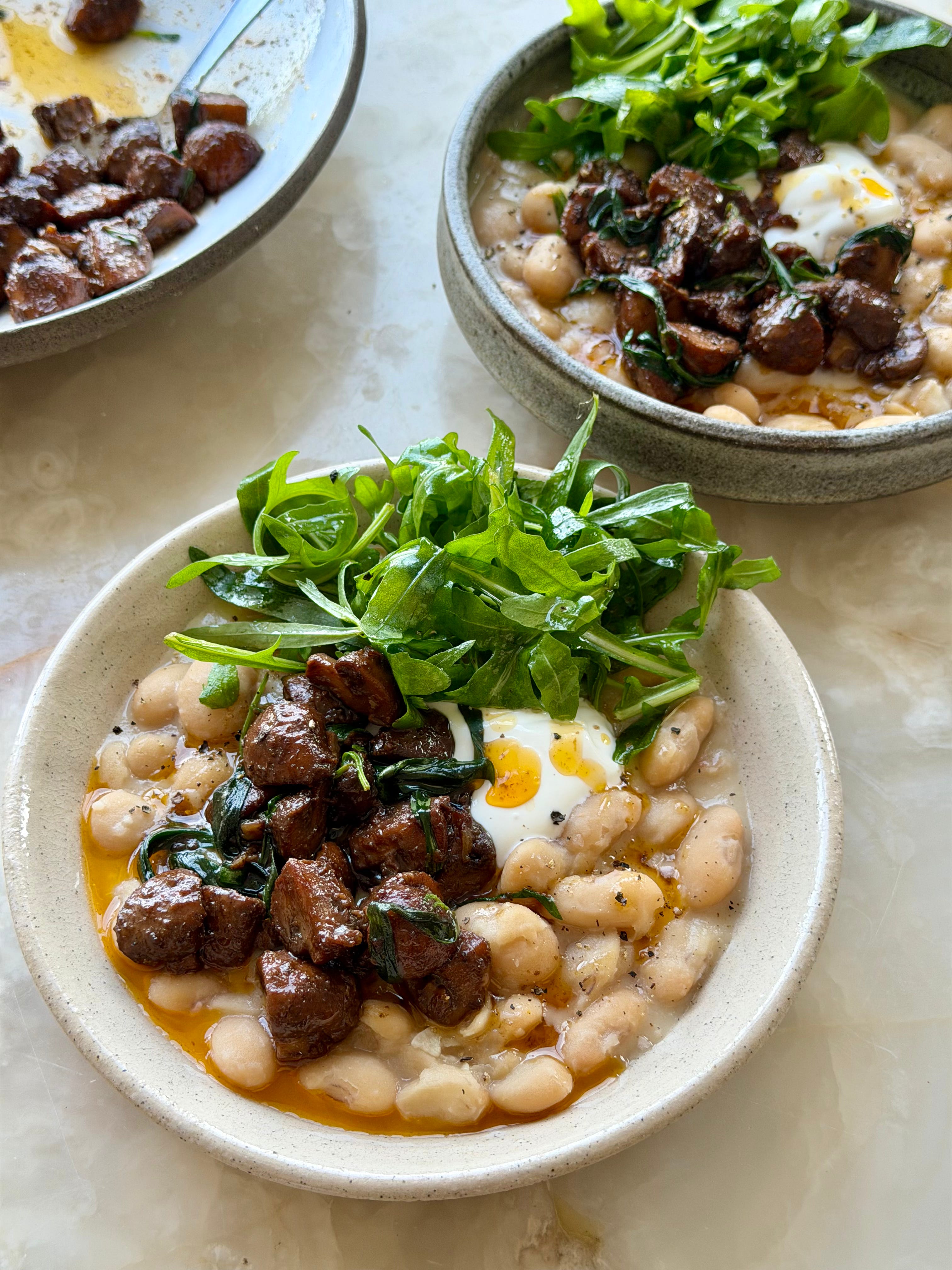
This is a store-cupboard base that comes together in 20 minutes: tinned butter beans simmered in their own liquid until they turn creamy, with no blender and nothing to drain. It’s easy to scale up if you want a pot to dip into throughout the week.
Serves 2
Prep 5 minutes
Cook 20 minutes
Ingredients